 Taylor Legacy Woodworks
Taylor Legacy Woodworks
Taylor Legacy Woodworks
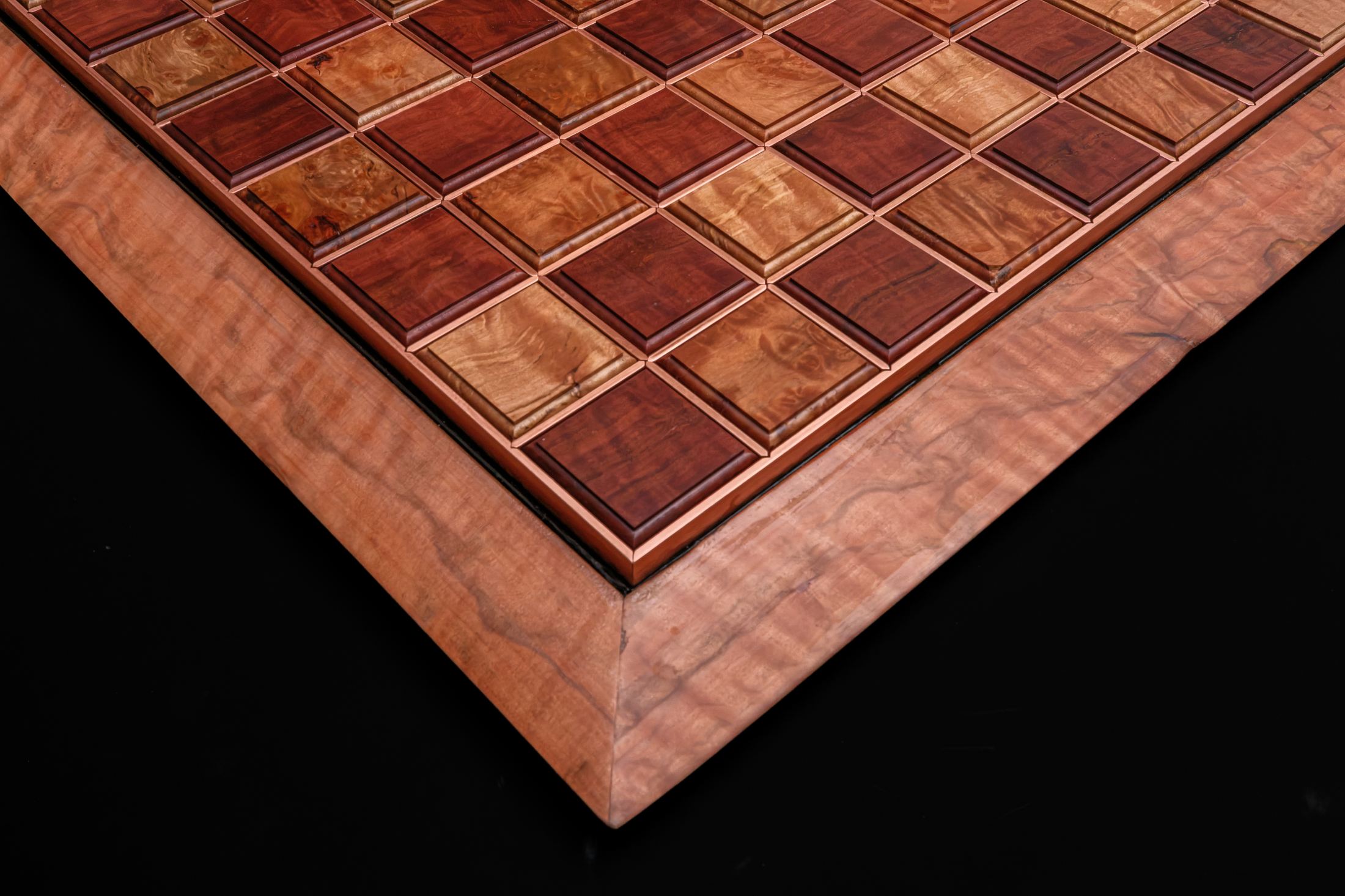
Our latest creation... A legacy chessboard...
Custom wood & metal craftsmanship — the Taylor family workshop, since 1953.
Every chessboard begins as live edge slabs of raw timber, in this case, Jarrah and Tasmanian Rose Myrtle sourced from Western Australia, that are milled into sixty-four individually cut 1⁄2 in. thick rounded-over squares that are finished and then surrounded by 1/8” thick copper bars as they are set into a single field of tiles. Nothing on the surface is painted or veneered. What you will see and receive is what was designed and cut to your specifications.
No two boards, and no two trees, are ever quite the same.
The playing field of this featured chessboard Jarrah and Tasmanian Rose Myrtle in equal number — thirty-two tiles of each — mitered into a grid of solid copper. The border frame is a separate operation entirely: quarter-sawn and book-matched, so the figure continuous end-grain figure of the timber runs outward from the centre of each side like the growth rings of a single tree.
On the bottom of each chessboard, there is a permanently affixed laser engraved copper plate, numbering the chessboard and expressing the legacy gift intentions of the person who commissioned the chessboard. A second, identical laser engraved copper plate can be purchased for framing.
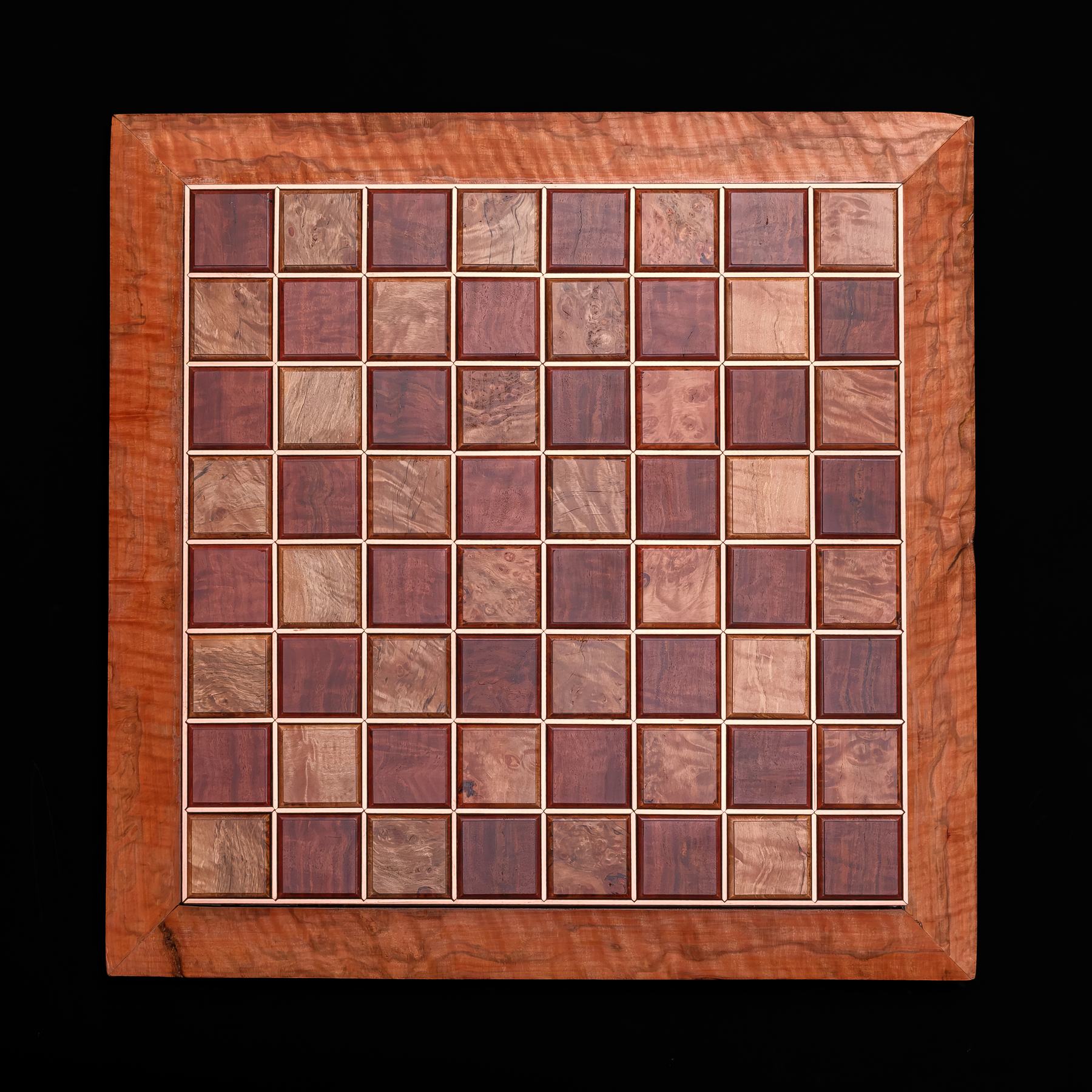
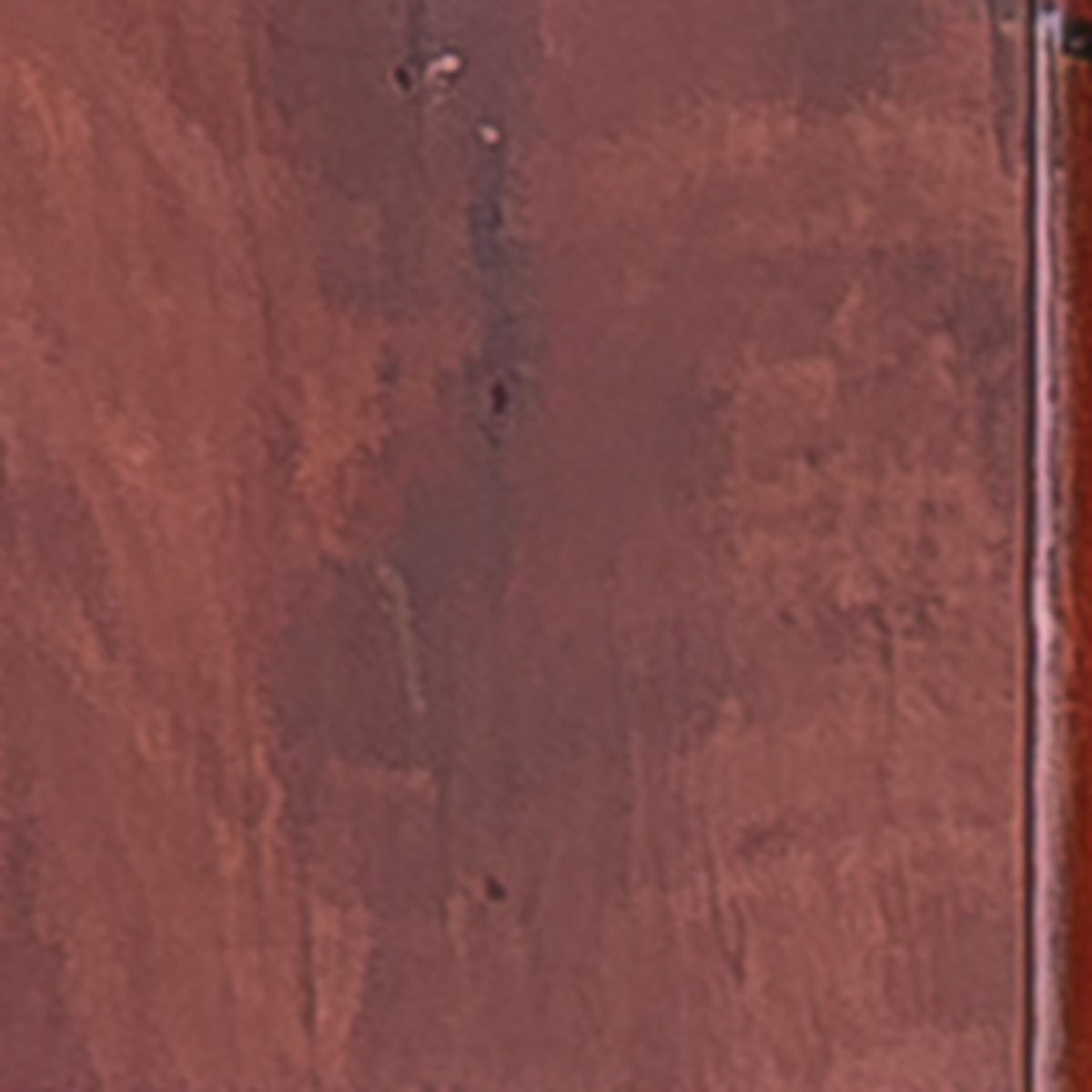
A eucalypt native to the forests of south-western Australia. Freshly cut, Jarrah is a pale pink; within a year of light it settles into the deep, wine-dark red-browns seen here. It is dense, close-grained, and famously durable — for over a century the timber of choice for wharves, railway sleepers, and the furniture built to outlast them.
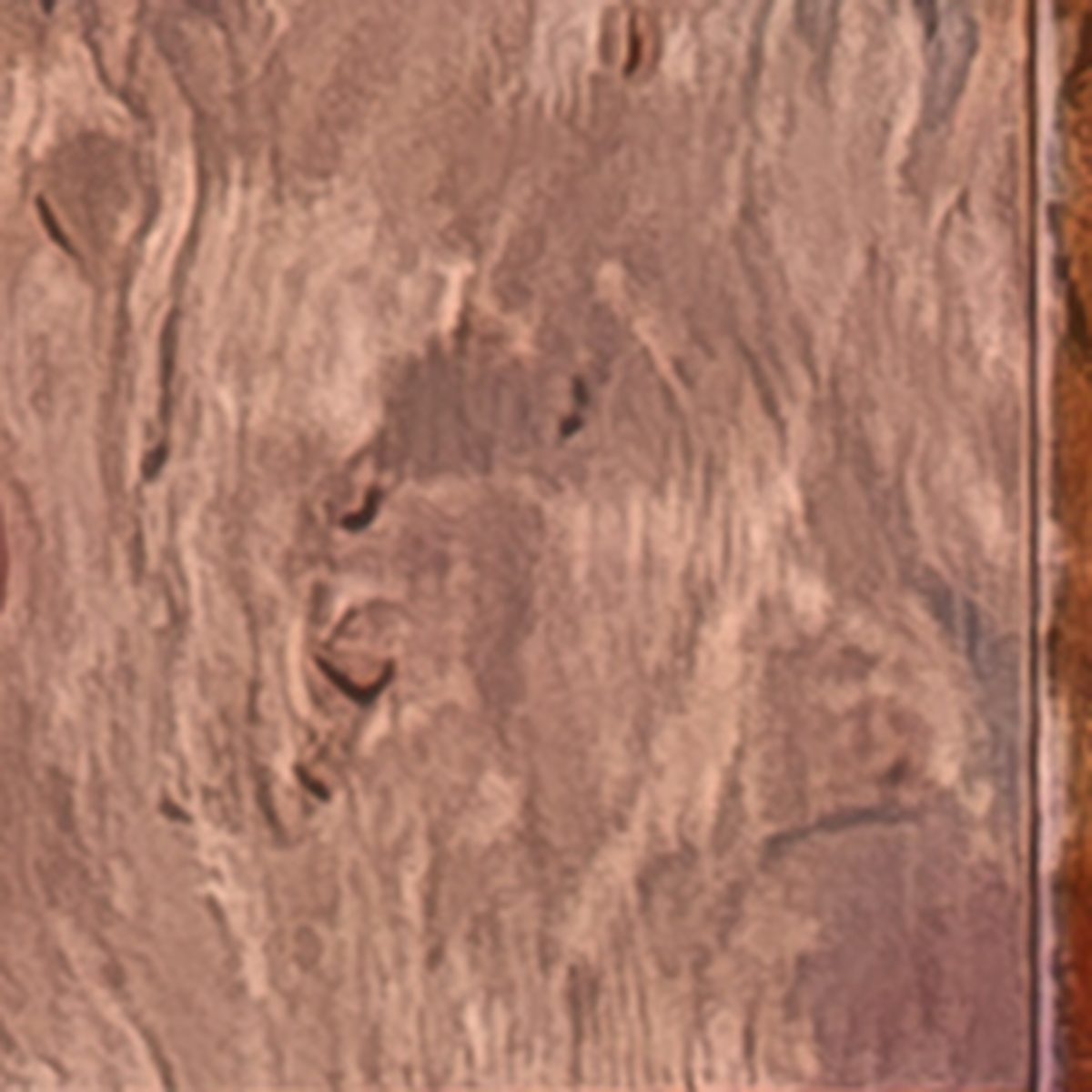
A southern beech that grows only in the cool rainforests of Tasmania. We work almost exclusively in the burl — the tightly swirled, eye-flecked figure that forms where a tree has been scarred, stressed, or crowded. Burl this dense comes from a small fraction of every log, which is part of why no two boards are ever identical. Each is unique.
Copper is not laid on top of the board — it is built into it. Each seam between two timbers is a small piece of metalwork in its own right, mitred, fitted, sealed, and set before the next tile goes down.
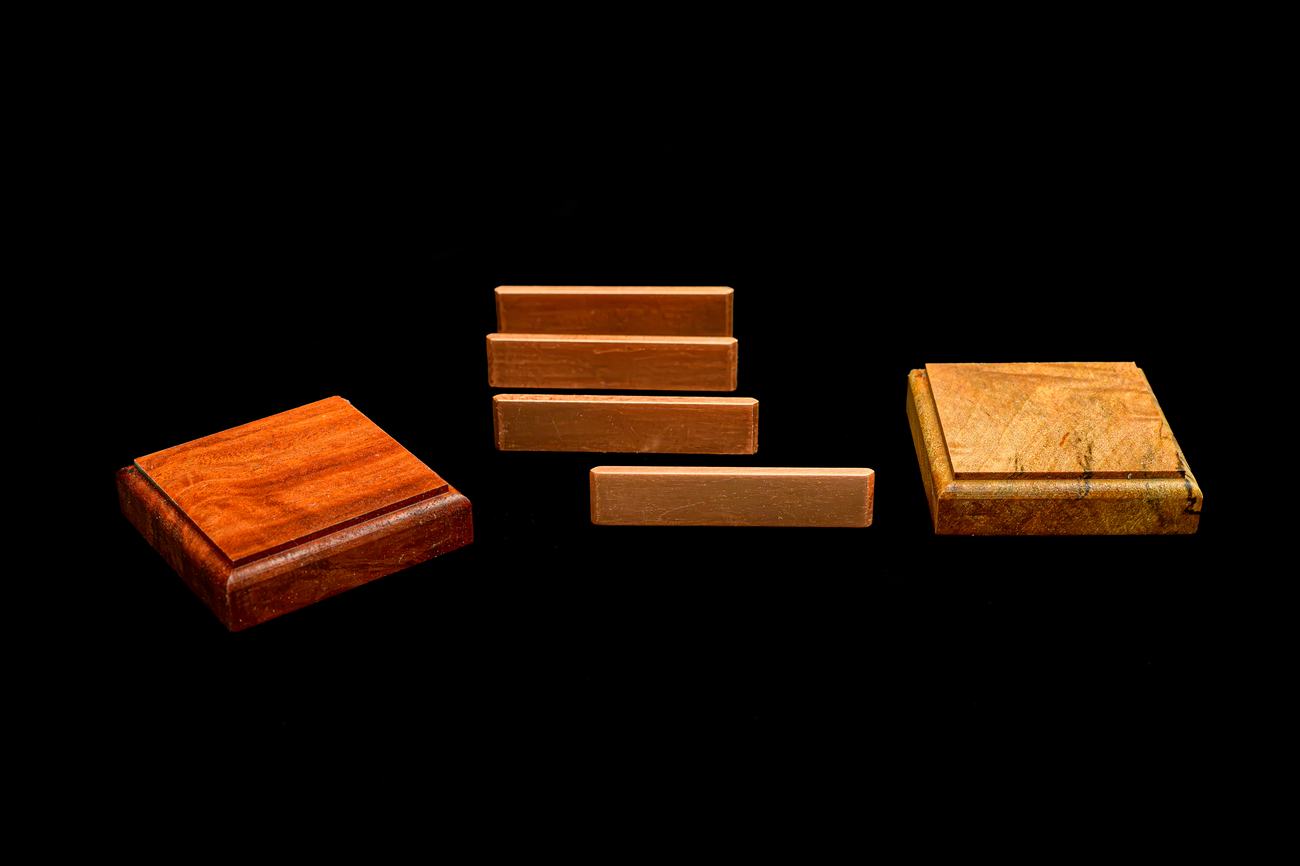
Jarrah and Tasmanian Rose Myrtle stock is resawn into blanks a little over final thickness, then rounded over on all four edges to give each piece a pillow effect — the last time either timber will be shaped by anything but a chisel and a steady hand.
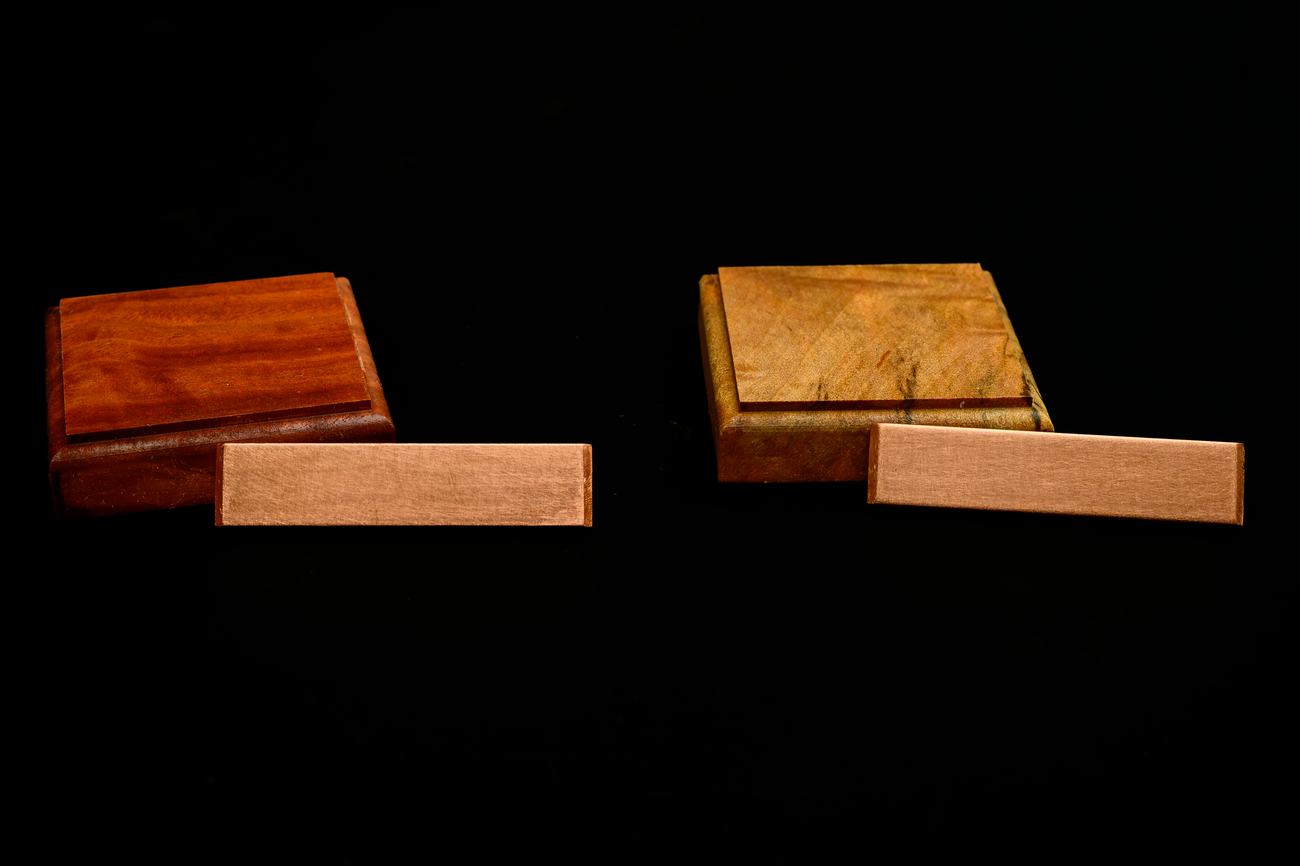
Solid copper bar is milled down into spline stock, then mitred so that four lengths meet at a true point at every internal corner of the finished board.
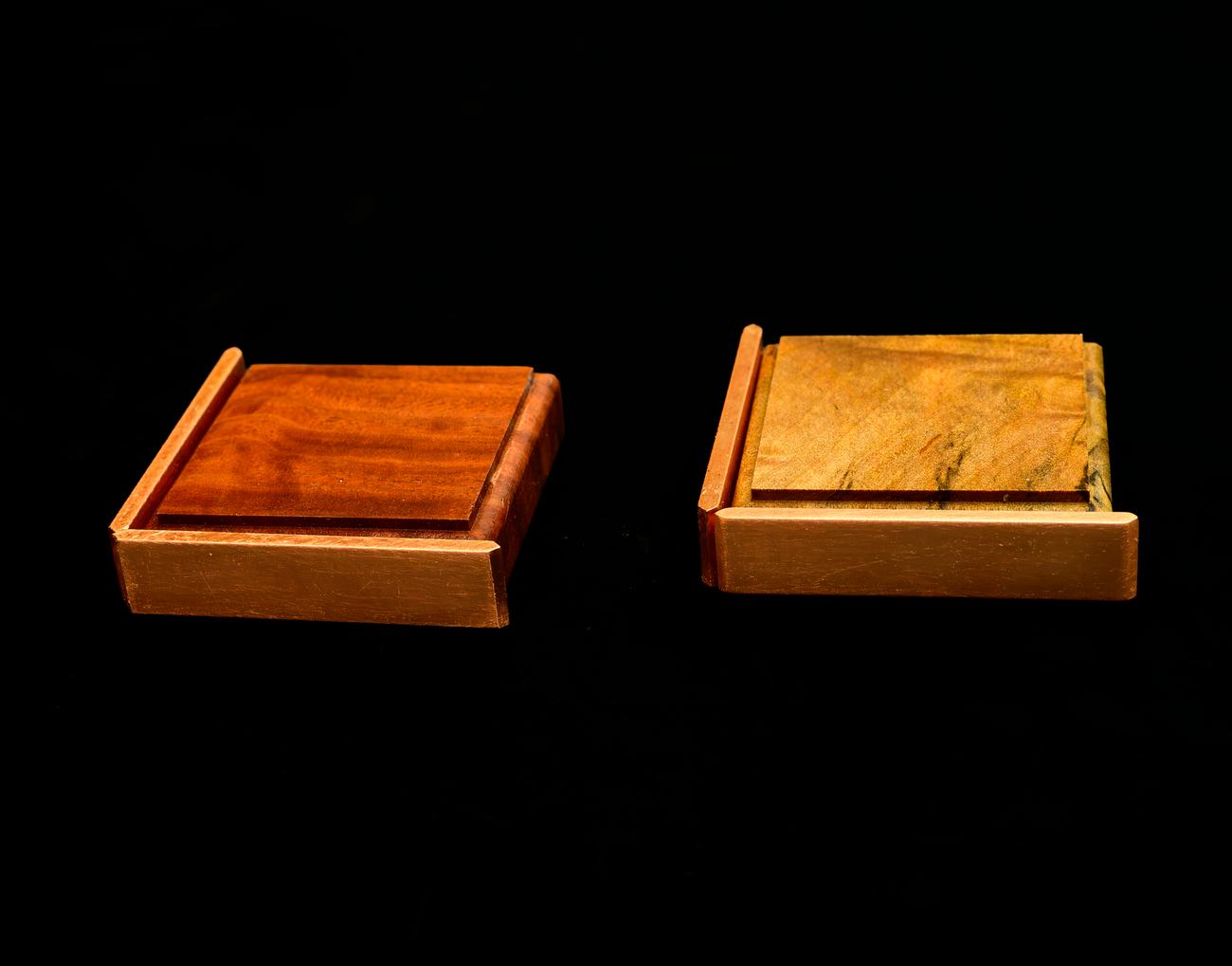
Each tile is rebated to take copper on two faces. Tile and spline are set together, edge to edge, until the seam between the two timbers reads as a single clean line of metal.
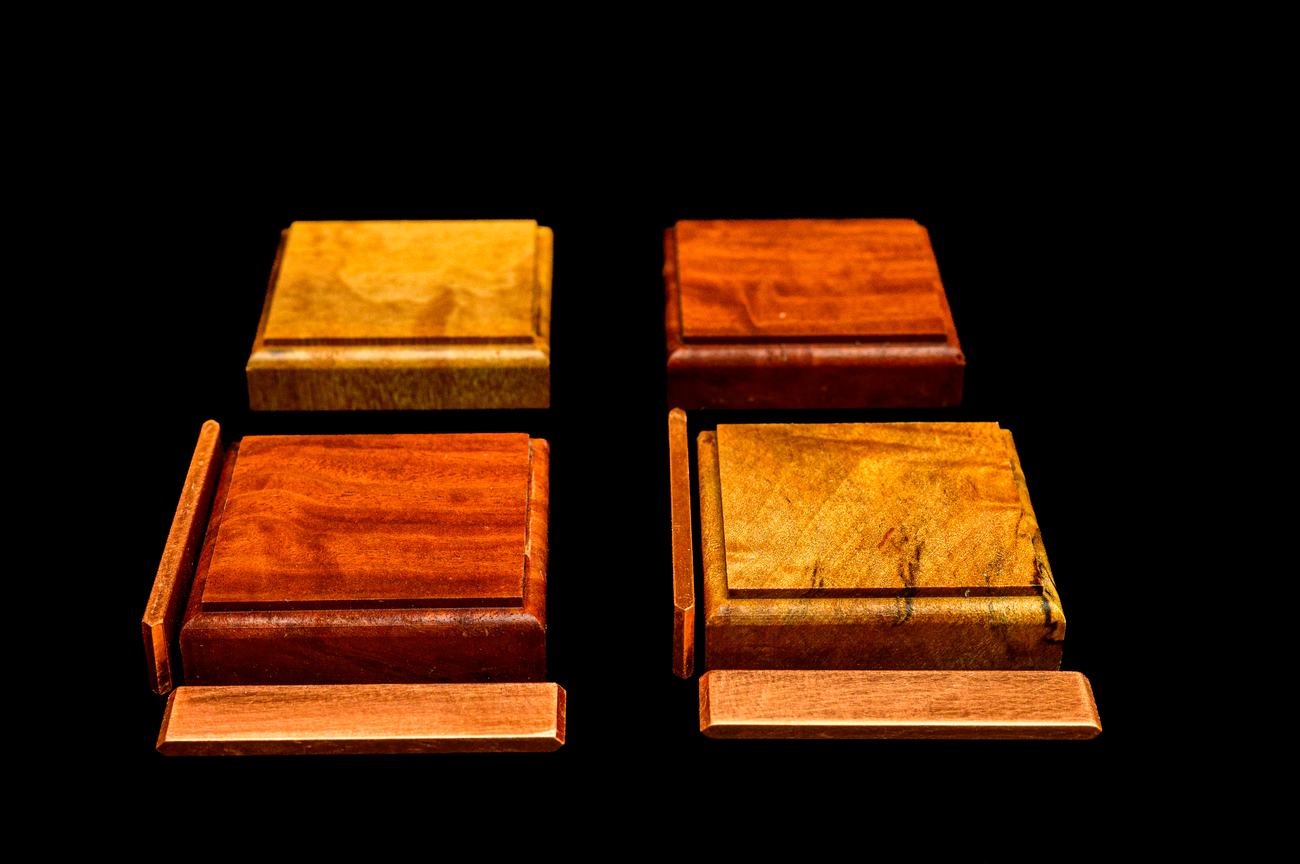
Four tiles become a block, four blocks become a quadrant, and four quadrants — sixty-four tiles in total — become the field that is set into its frame.
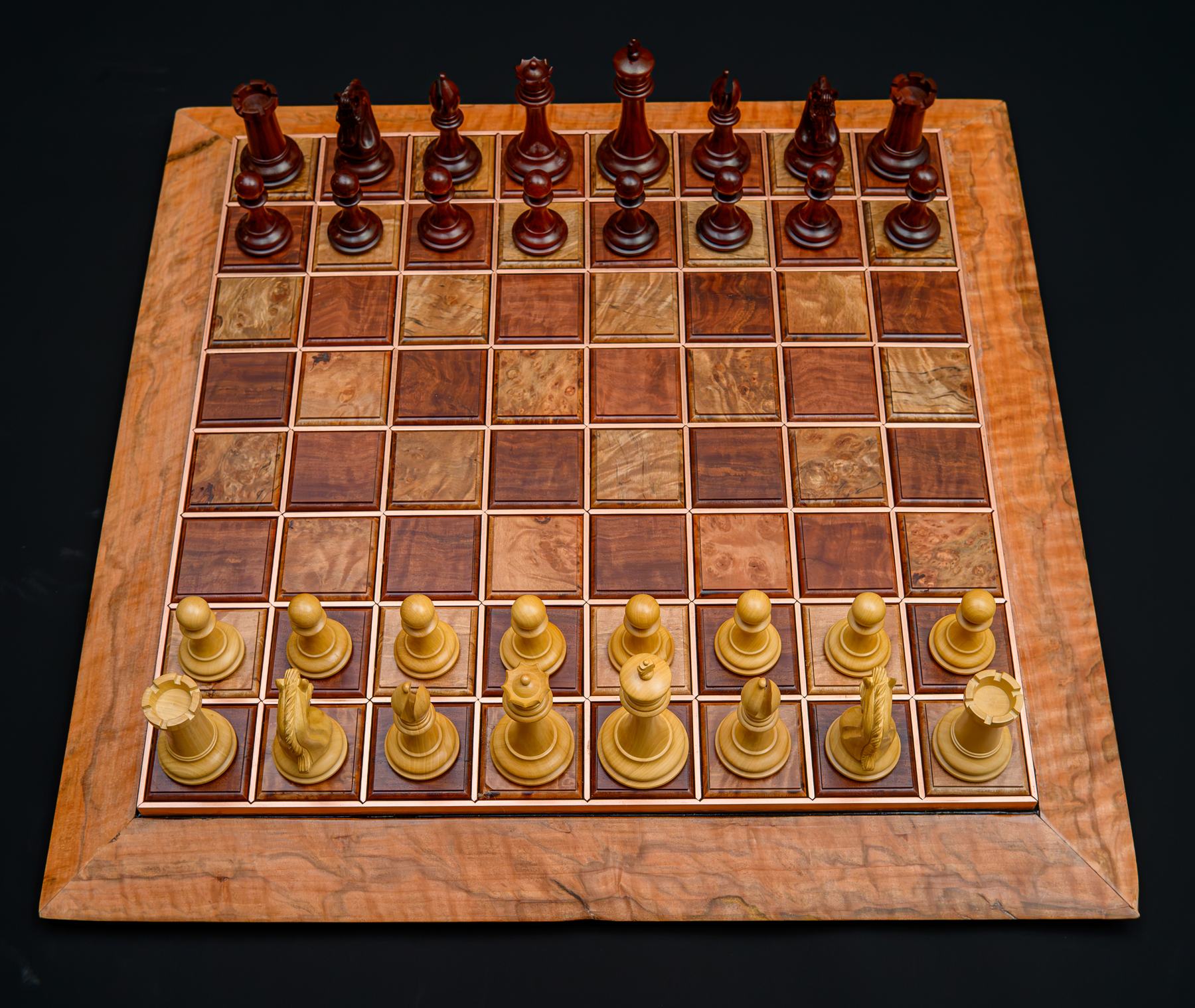
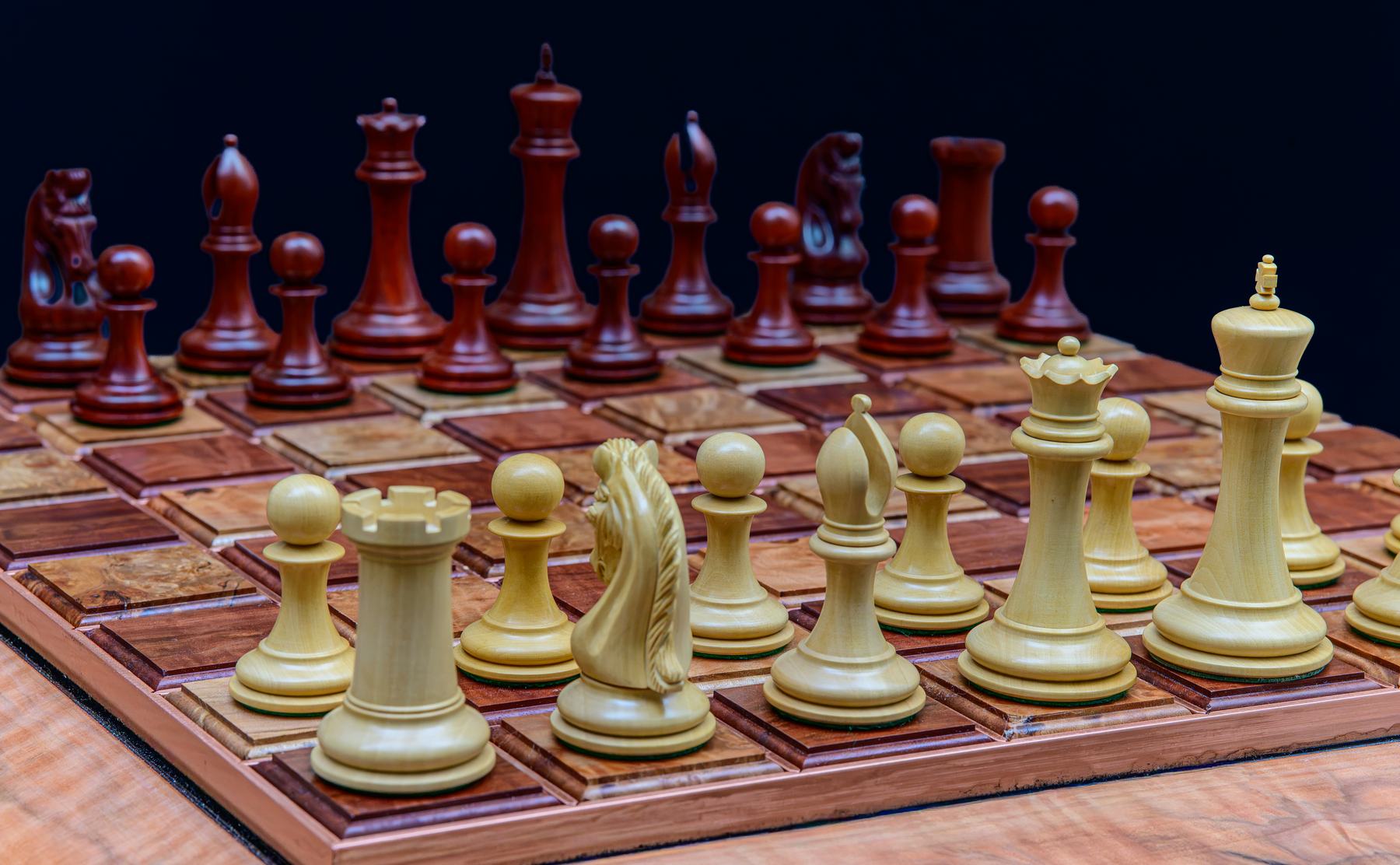
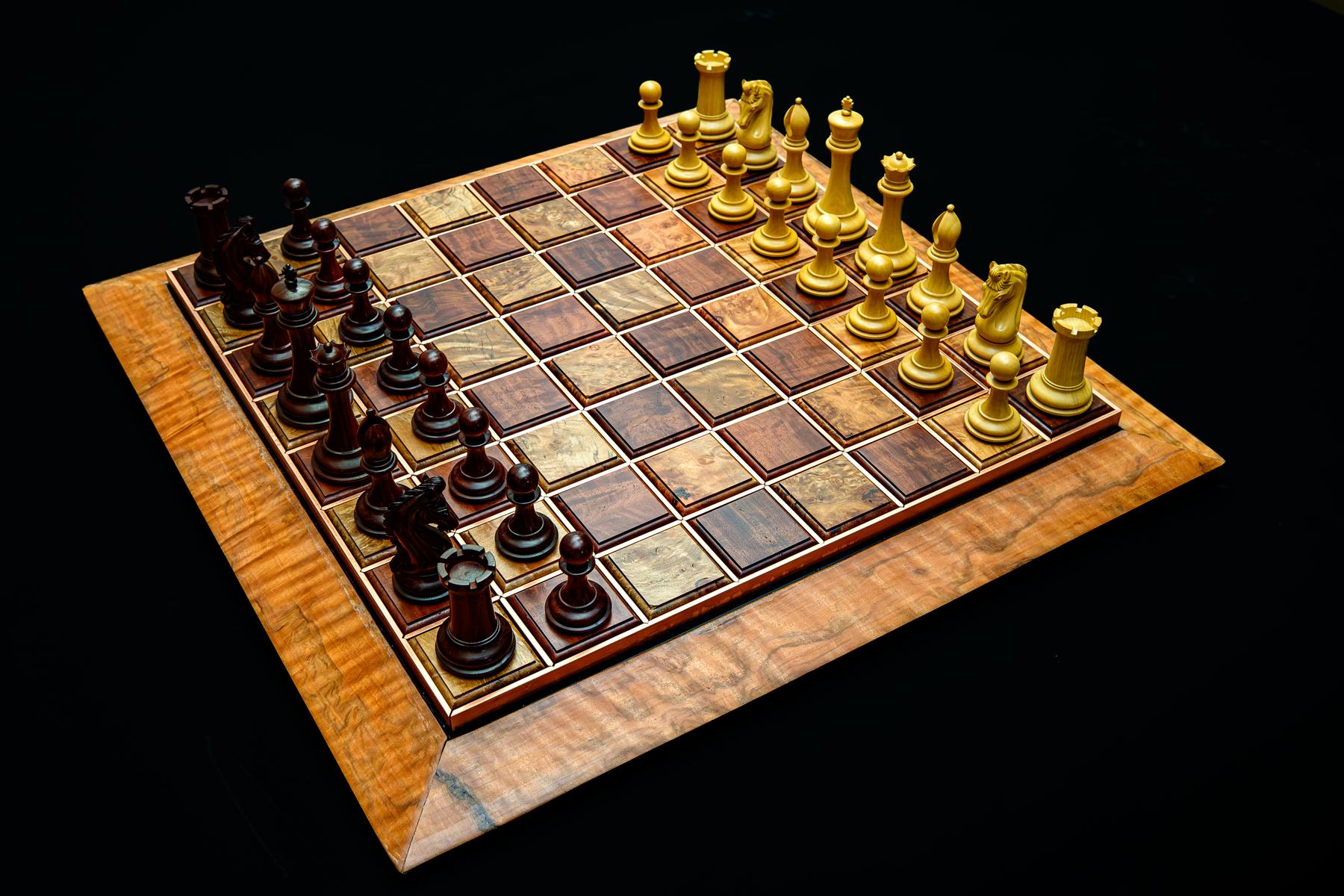
Three generations, the same benches, the same two hands.
Every legacy chess board, or any other piece such as cabinets, live-edge dining tables, or hardwood end grain cutting boards, are custom and made to order, in the dimension, timber, and finish a client chooses. Current lead time runs several months; we're glad to talk through timeline and specification before anything is cut.
commissions@taylorlegacywoodworks.com